












How To Judge A DIAMOND
Whenever possible, you should look at a diamond just as a professional diamond buyer does loose (not mounted in a setting), with proper lighting conditions, and of course using the proper tools. Judging a diamond up close and personal will give you a true understanding of the intricate details that make each diamond unique. Here are some quick FAQ's and video links to help you understand the lingo and familiarize yourself with the tools and terminology on how to judge a diamond.

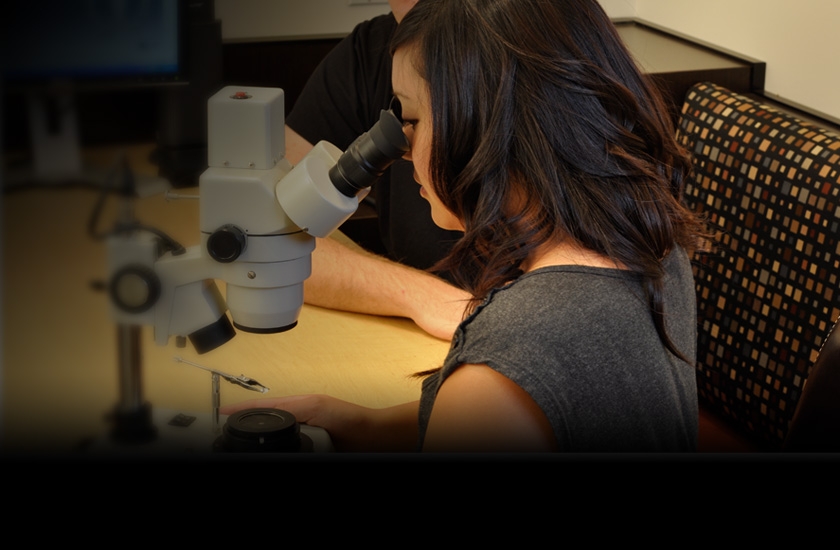
SHOULD I VIEW A DIAMOND UNDER A MICROSCOPE WHEN SHOPPING?
Yes, you should view the diamond under a stereo binocular microscope at ten power magnification with a stable light source and two eyes looking at the diamond. This will allow you to judge a diamond properly.
See more details
WHY IS 10X MAGNIFICATION of A Diamond THE INDUSTRY STANDARD?
Ten times' magnification under a microscope is the standard magnification in the diamond industry as a result of the creation of the Clarity Rating Scale. This scale is the standard used throughout the diamond industry.
See more details
DOES IT MATTER UNDER WHAT LIGHT I VIEW A DIAMOND?
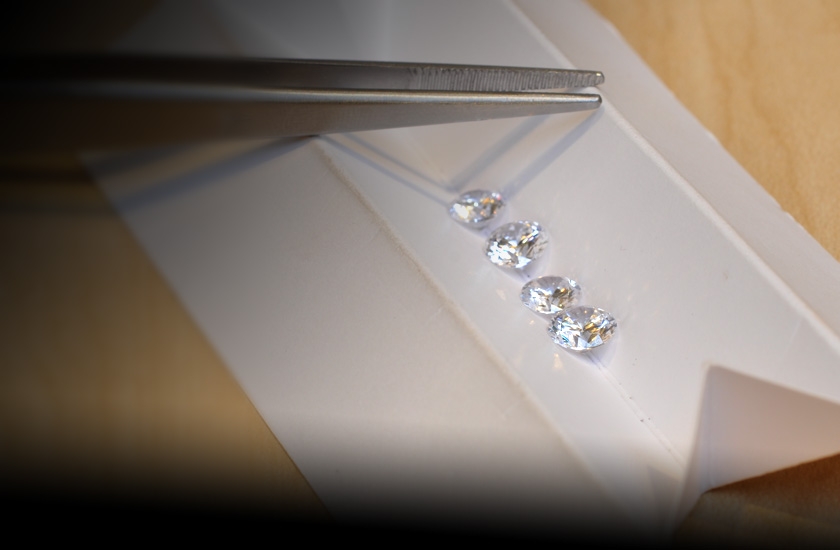
Short answer YES. In fact, when purchasing your diamond you should actually see it under several different light sources, and in a color grading tray. First use a laboratory light that bleaches out all color except for the actual color of your diamond. Also view the diamond under natural conditions such as sunlight because that is how the diamond will be viewed.
See more details
WHAT SHOULD I FOCUS ON WHEN LOOKING AT A DIAMOND UNDER MAGNIFICATION?
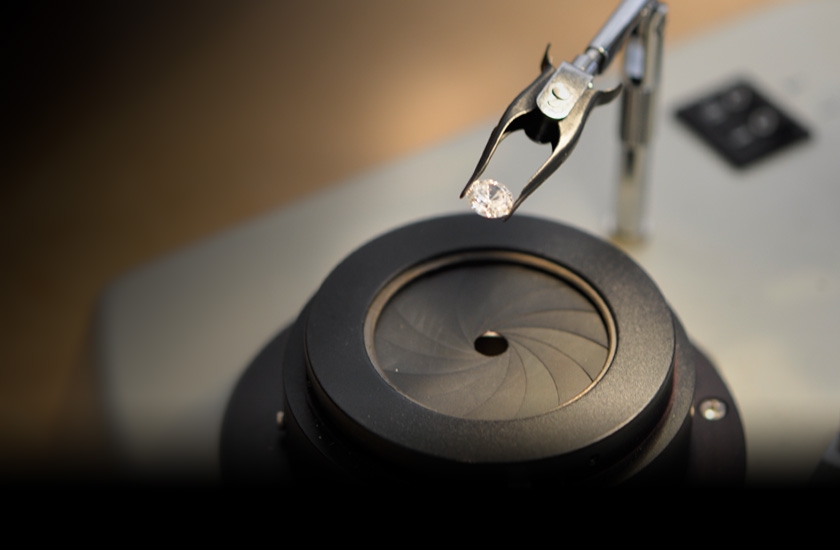
Under the microscope, look at what's in the diamond; this is the C of clarity. Most diamonds have minor inclusions and it is these internal markings that are very valuable in identifying your diamond, because there are no two diamonds that have inclusions in exactly the same places.
The other things that you look for are abrasions on the surface, nicks or cavities or cracks that may affect the structural integrity of the diamond. Also be aware of markings that will affect the beauty and brilliance of the diamond.
See more details
VERIFY DIAMOND WEIGHT
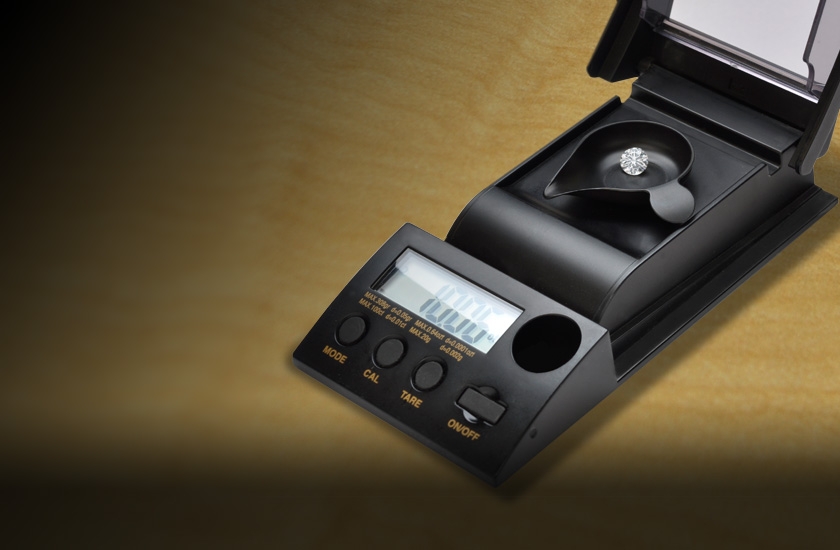
After you have compared your diamonds up close under the gemscope, your engagement diamond will be weighed in front of you. It’s crucial to know the exact carat weight of the diamond, as just a difference of a point or two can significantly change the cost of a diamond.